Election Betting Markets: The Real Impact on Voter Behavior
Election betting markets are changing how we view politics and predictions.
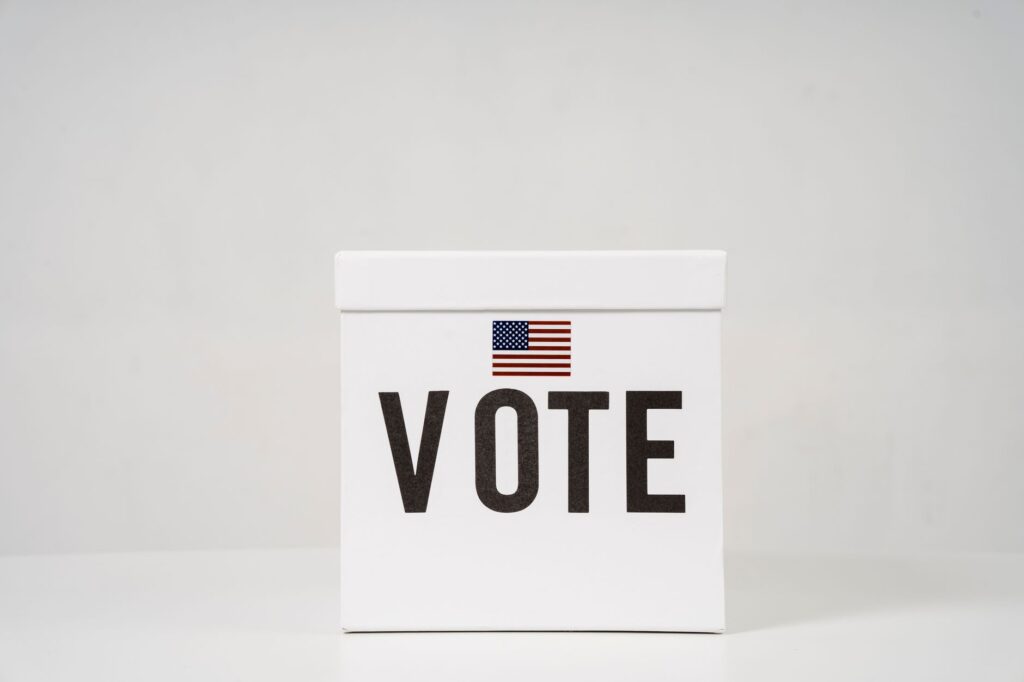
election betting markets are reshaping the landscape of political predictions and voter engagement. As these markets grow, their influence on public opinion and election outcomes becomes increasingly significant.
Understanding Election Betting Markets
Election betting markets have gained significant traction in recent years, offering insights into electoral outcomes that traditional polling methods may not capture. These markets operate on the premise that individuals can place bets on various political events, including the results of elections, thereby reflecting the collective predictions of participants.
One of the key aspects of election betting markets is their ability to aggregate opinions from diverse sources. This can lead to more accurate forecasts regarding voter behavior and potential election outcomes. Factors influencing these markets include:
- Current political events and scandals
- Media coverage and narrative shaping
- Public sentiment and social media trends
As bettors weigh these factors, they contribute to a dynamic environment where the odds can shift rapidly, highlighting the evolving landscape of electoral politics and the real impact that election betting markets can have on voter behavior.
The Growth of Betting in Politics
The emergence of election betting markets has transformed the political landscape, prompting a significant shift in how voters engage with the electoral process. As more individuals turn to these platforms, the influence of betting on voter behavior becomes increasingly evident.
Several factors contribute to the growth of betting in politics:
- Increased Accessibility: Online betting platforms have made it easier for people to place wagers on election outcomes.
- Real-Time Information: Bettors often have access to up-to-date polling data, which can inform their decisions.
- Social Influence: The popularity of betting markets can create a bandwagon effect, swaying undecided voters.
As election betting markets continue to evolve, their potential impact on voter turnout and political engagement remains a critical area for future study.
How Election Odds Are Determined
The determination of election odds in betting markets is a complex process influenced by various factors. Initially, polling data plays a significant role, as bookmakers analyze trends to set initial odds. Additionally, historical data from previous elections helps shape expectations about outcomes.
Market sentiment is another critical element. Public perception of candidates, driven by media coverage and campaign events, can sway odds significantly. As voters react to debates, scandals, or endorsements, the betting markets quickly adjust to reflect these changes.
Furthermore, the volume of bets placed on specific candidates influences the odds. A surge in bets for a particular candidate may signal confidence among bettors, prompting bookmakers to revise their odds accordingly. Overall, election betting markets serve as a fascinating barometer of political sentiment and can even impact voter behavior as individuals seek to align their choices with perceived winning candidates.
Impact of Betting on Voter Decisions
The rise of election betting markets has begun to influence voter behavior in unexpected ways. As more individuals place wagers on the outcomes of political contests, the perception of candidates and their chances of winning can shift dramatically. This phenomenon occurs for several reasons:
- Increased Visibility: Betting odds often bring attention to candidates who may otherwise be overlooked, prompting voters to reconsider their choices.
- Social Proof: When a candidate’s odds improve, it may create a bandwagon effect, encouraging undecided voters to align with the perceived frontrunner.
- Information Asymmetry: Bettors often have access to insights and analyses that the general public may not, influencing their decisions and potentially swaying others.
Ultimately, the interplay between election betting markets and voter decisions highlights a complex relationship that warrants further exploration.
Legal Aspects of Election Betting
The legal landscape surrounding election betting markets varies significantly across different jurisdictions. In some countries, these markets are fully regulated and monitored, while in others, they remain in a legal gray area or are outright banned. This disparity raises important questions about the integrity and fairness of the electoral process.
Countries like the United Kingdom have embraced election betting, allowing licensed operators to offer odds on various political outcomes. This has led to a more transparent and competitive environment. Conversely, in the United States, the legal status of election betting markets is complicated, with many states prohibiting such activities.
As the popularity of betting on elections increases, regulators face the challenge of balancing consumer protection with the desire to maintain a fair democratic process. The ongoing evolution of these laws will have a significant impact on how election betting markets operate and influence voter behavior.
Future Trends in Political Betting
The future of election betting markets appears poised for significant evolution as technology and public interest continue to shape the landscape. With advances in mobile applications and online platforms, more voters are likely to engage with betting markets, influencing their perceptions of candidates and issues.
Experts predict a rise in data-driven strategies, allowing bettors to analyze trends and make informed decisions. This shift may lead to a more informed electorate, as individuals increasingly rely on betting odds to gauge the political climate.
Moreover, as election betting markets gain traction, regulatory bodies may implement more stringent guidelines, addressing concerns about integrity and ethical implications. This could lead to a more transparent environment, ensuring that bettors can participate confidently.
Overall, the interplay between betting and voter behavior will likely become more pronounced, raising questions about the democratic process and the role of public perception in shaping election outcomes.
Photo by Sora Shimazaki on Pexels




1 thought on “Election Betting Markets: The Real Impact on Voter Behavior”