FIFA president payment: Infantino’s $1.7M World Cup deal
FIFA president payment reveals Infantino’s undisclosed $1.7M deal during World Cup.
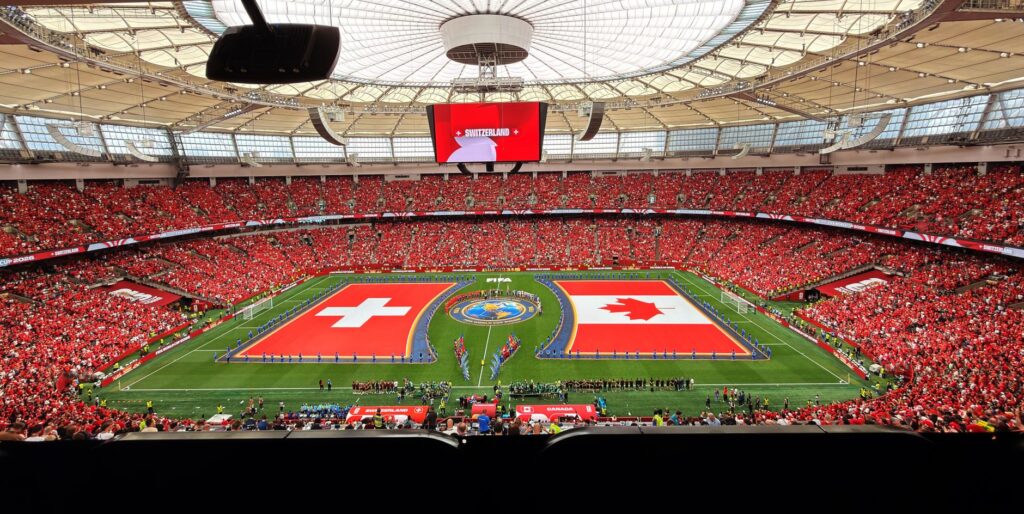
FIFA president payment has come under scrutiny as Gianni Infantino received an undisclosed $1.7 million for the World Cup. This revelation raises questions about transparency in football’s governing body.
Details of Infantino’s Payment
FIFA president Gianni Infantino has come under scrutiny following revelations about a $1.7 million World Cup payment. The payment, which has been described as undisclosed, raises questions regarding transparency within the organization. Infantino’s compensation has been a topic of debate, especially given the significant financial implications for FIFA.
Sources indicate that the FIFA president payment is part of a broader set of financial arrangements surrounding the World Cup. This deal, while substantial, was not initially made public, leading to calls for greater accountability from FIFA officials.
In light of the recent disclosures, several stakeholders have expressed concern over the governance of FIFA. The organization has faced criticism in the past for its handling of finances and decision-making processes. As the World Cup approaches, the focus on Infantino’s remuneration is likely to intensify, prompting further discussions about the integrity of leadership within FIFA.
Impact on FIFA’s Reputation
The recent revelation regarding the FIFA president payment has sparked discussions about the organization’s transparency and governance practices. Gianni Infantino’s $1.7 million payment, linked to World Cup operations, raises questions about the ethical implications of such a compensation structure.
Critics argue that this substantial payment might undermine FIFA’s credibility, particularly in light of ongoing concerns about corruption within the organization. As FIFA continues to face scrutiny over its financial dealings, the perception of impropriety could further damage its reputation.
Moreover, supporters of reform within FIFA are calling for greater accountability and clearer disclosure of executive payments. They believe that without transparency, the organization risks losing the trust of fans, sponsors, and member associations alike.
In summary, the implications of the FIFA president payment extend beyond individual earnings; they reflect a broader need for structural changes within FIFA to restore public confidence.
History of FIFA Payments
The history of FIFA payments has often been a topic of scrutiny and debate, particularly regarding the organization’s transparency. Over the years, various FIFA presidents have received significant compensation packages, which have raised questions about the ethics and governance of the football governing body.
One notable instance was the payment made to former FIFA president Sepp Blatter, who was embroiled in controversy during his tenure. With Gianni Infantino’s recent payment of $1.7 million related to the World Cup, concerns have resurfaced regarding the appropriateness of such financial arrangements.
Critics argue that these payments contribute to a culture of secrecy and can undermine trust in FIFA’s leadership. The ongoing discussions surrounding the FIFA president payment highlight the need for improved accountability and transparency within the organization.
- Past FIFA presidents have faced similar scrutiny.
- Calls for greater transparency have intensified.
- Financial arrangements often remain undisclosed.
Transparency Issues in Sports
As scrutiny around financial dealings in sports intensifies, transparency issues have become a focal point of discussion. The recent revelation regarding FIFA president payment, particularly the undisclosed $1.7M World Cup deal received by Gianni Infantino, raises significant concerns among stakeholders.
Many critics argue that such payments lack clarity and could potentially undermine the integrity of the organization. The opacity surrounding FIFA’s financial transactions has been a longstanding issue, prompting calls for greater accountability.
Several organizations and activists emphasize the need for a more transparent framework, suggesting that all financial dealings should be disclosed to ensure fairness and build trust within the global sports community.
In an era where fans demand higher ethical standards from sports governing bodies, addressing these transparency issues is crucial for FIFA to regain credibility and maintain its position as a leading authority in international football.
Reactions from the Football Community
The recent revelation regarding FIFA president Gianni Infantino’s $1.7M World Cup payment has sparked a variety of reactions within the football community. Many fans and players have expressed their concerns about the transparency of such large payments, questioning the ethics behind them.
Former footballer and prominent commentator, Gary Lineker, stated, “This payment raises serious questions about the integrity of FIFA and its leadership.” Meanwhile, current players have also voiced their doubts, suggesting that funds could be better allocated to support grassroots initiatives.
On social media, the hashtag #FIFAPresidentPayment has trended, with users debating the implications of Infantino’s remuneration amidst ongoing financial struggles faced by many clubs.
Overall, the consensus seems to be that clarity and accountability are crucial as the football world navigates these complex issues.
Analysis of World Cup Finances
The recent revelation regarding the FIFA president payment has sparked significant debate about the financial dynamics surrounding the World Cup. Gianni Infantino’s $1.7 million deal raises questions about the allocation of funds and the overall financial health of FIFA. Critics argue that such a substantial payment to the president could detract from investments in grassroots football and development programs, potentially widening the gap between elite and amateur levels of the sport.
Moreover, this payment highlights the ongoing issues of transparency within FIFA’s financial operations. While the organization asserts that these payments are justified, many stakeholders are calling for clearer disclosures to ensure accountability. The ramifications of this decision may extend beyond financial implications, affecting FIFA’s relationships with member associations and sponsors alike.
As scrutiny intensifies, the football community is left to ponder how such payments align with the values of the sport and the expectations of its passionate supporters.
Future Implications for FIFA
The recent revelation regarding the FIFA president payment has raised important questions about the organization’s future direction. With Gianni Infantino’s $1.7 million World Cup deal under scrutiny, stakeholders are increasingly concerned about transparency and accountability within FIFA. The implications of such payments extend beyond individual leadership, affecting the overall governance of the sport.
As FIFA aims to enhance its image and rebuild trust among fans and players, the need for stricter financial regulations and clearer reporting practices has become evident. The ongoing scrutiny may compel FIFA to adopt reforms that prioritize openness, ensuring that funds are allocated responsibly and equitably.
In the wake of this controversy, the football community is calling for reforms that could reshape the landscape of international football governance. The future of FIFA may depend on its ability to address these concerns while maintaining the integrity of the sport it represents.
Comparative Payments in Sports
In the world of sports, executive payments often spark debate, particularly when large sums are involved. The recent revelation of FIFA president payment has drawn attention to how compensation for sports officials compares across different leagues and organizations.
Consider the following comparative payments:
- NBA Commissioner: Adam Silver reportedly earns around $10 million annually, reflecting the league’s revenue generation and market size.
- NFL Commissioner: Roger Goodell’s salary approaches $40 million, a figure that underscores the NFL’s profitability and massive fan base.
- UEFA President: Aleksander Čeferin’s earnings are less publicized, but estimates suggest a compensation near $2 million, illustrating a different scale in European football.
While Gianni Infantino’s $1.7 million World Cup payment may seem substantial, it remains notably lower than many of his counterparts in major sports leagues, raising questions about the value placed on football leadership.
The recent FIFA president payment has sparked discussions regarding the transparency of financial dealings within the organization. Infantino’s $1.7M World Cup deal highlights the ongoing scrutiny surrounding FIFA president payment practices.
Photo by Rushi Patel on Pexels